Commercial and industrial roofs are long-term assets, but in Australia’s harsh climate they are constantly exposed to UV radiation, temperature extremes, wind, and moisture. Over time, even well-installed metal roofing systems begin to deteriorate, leading to leaks, corrosion, and escalating maintenance costs.
For many NSW building owners and facility managers, roof coatings offer a cost-effective alternative to premature roof replacement. When specified and applied correctly, roof coatings can significantly extend roof life, improve performance, and stabilise ongoing maintenance budgets.
This article explains how roof coatings in Australia work, which systems are suited to different commercial and industrial applications, and how coatings compare to full roof replacement from a cost, compliance, and lifecycle perspective.
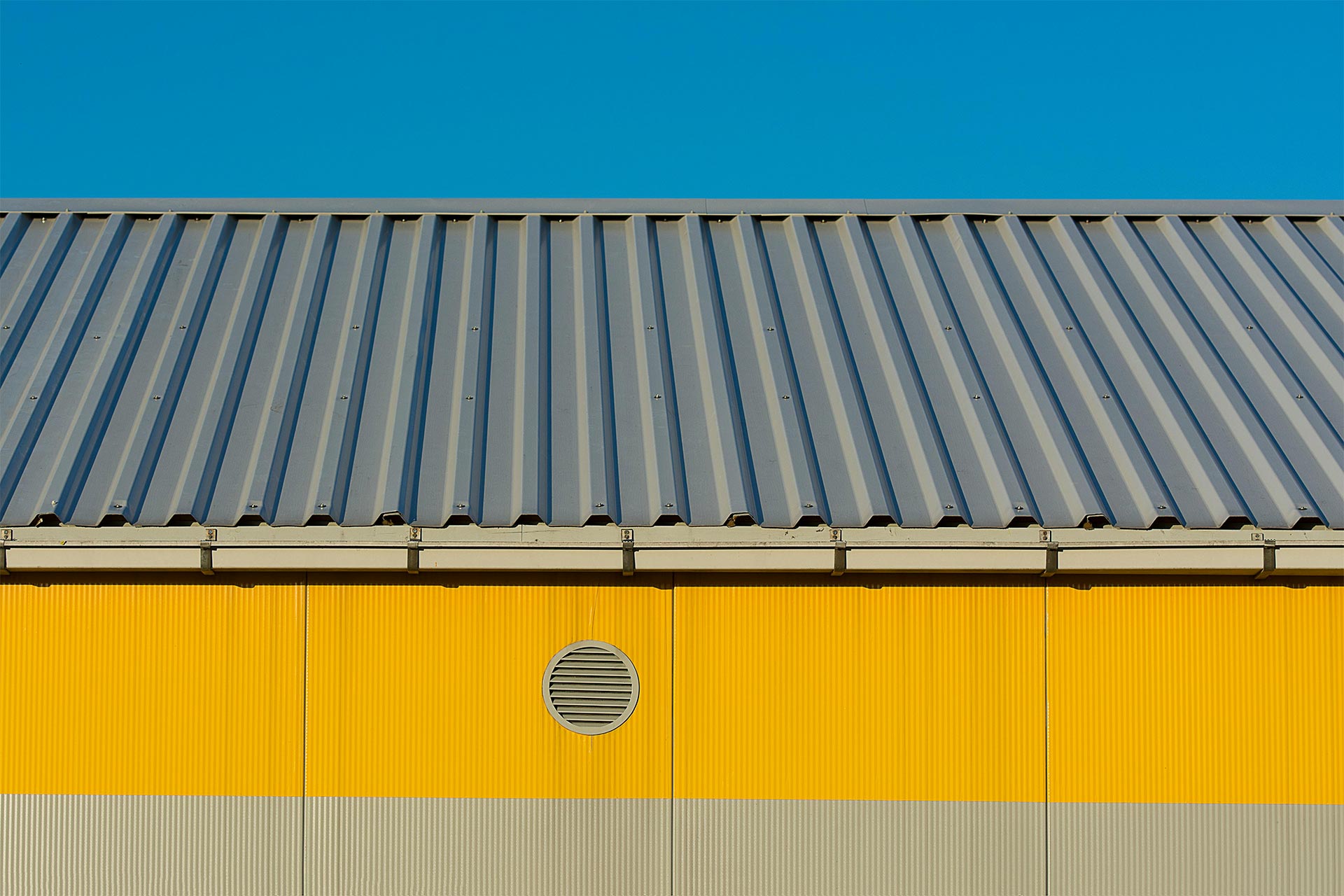
Metal roofing is widely used across industrial and commercial buildings in NSW due to its durability and load-spanning capability. However, unprotected or ageing metal roofs are vulnerable to:
Roof coatings act as a protective barrier, restoring performance without removing the existing roof structure. This approach aligns with best-practice commercial roof maintenance, particularly for operational facilities where downtime must be minimised.
Acrylic coatings are commonly used on commercial metal roofs due to their UV resistance and reflective properties. They are water-based and suitable for:
Key benefits include improved solar reflectivity and reduced surface temperature, which can contribute to lower internal heat gain.
Silicone coatings are highly resistant to ponding water and are often specified for roofs with limited fall or drainage constraints. They provide:
These systems are frequently used on complex industrial roof geometries where water management is critical.
Polyurethane systems offer high tensile strength and abrasion resistance, making them suitable for:
They are often used in conjunction with other coating systems as part of a multi-layer specification.
The correct coating system depends on:
A professional roof assessment is essential to ensure compatibility and long-term performance.
Once factory coatings degrade, bare metal is exposed to moisture and airborne contaminants. Roof coatings re-seal the surface, slowing corrosion and protecting structural integrity.
Many failures occur at laps, fixings, and penetrations. Coating systems often include reinforced detailing at these points, reducing leak risk and ongoing repairs.
Australian UV exposure accelerates coating breakdown. Modern roof coatings are engineered to withstand prolonged UV exposure, helping to stabilise roof temperatures and reduce material fatigue.
By addressing these failure points, coatings can extend roof life by many years, delaying the need for capital-intensive replacement.
Roof coatings are most effective when applied:
Applying coatings too late—after advanced corrosion or structural failure—limits their effectiveness and may not be compliant.
While roof coatings reduce maintenance demands, they are not maintenance-free. Best practice includes:
A structured maintenance plan ensures coatings continue to perform as intended throughout their service life.
For many commercial and industrial assets, roof coatings provide a compelling financial advantage when compared to replacement:
Roof coatings:
Roof replacement:
From a lifecycle cost perspective, coatings often deliver the best return when the existing roof is fundamentally sound but weathered.
In NSW, asset owners have obligations under WHS legislation to maintain safe, serviceable buildings. Roof coatings can support compliance by:
For engineers and compliance professionals, coatings are often incorporated into broader asset management strategies.
Roof coatings align with sustainability objectives by:
For organisations with ESG or sustainability reporting requirements, coatings can contribute to measurable environmental outcomes.
While highly effective, roof coatings are not appropriate in every scenario. Full replacement may be required where:
A professional assessment ensures the correct intervention is selected, avoiding short-term fixes that fail prematurely.
Roof coatings are a proven, compliant, and cost-effective way to extend roof life, enhance metal roof protection, and control commercial roof maintenance costs across NSW.
When specified and applied by experienced professionals, coatings allow building owners to protect assets, minimise disruption, and defer major capital expenditure without compromising safety or compliance.

Speak to our team for a design consultation, energy upgrade assessment, or pricing for your next project.
Download our Capability Statement for a concise overview of our commercial and industrial roofing capabilities, high-risk project experience, and safety and compliance credentials.



.png)
.png)
