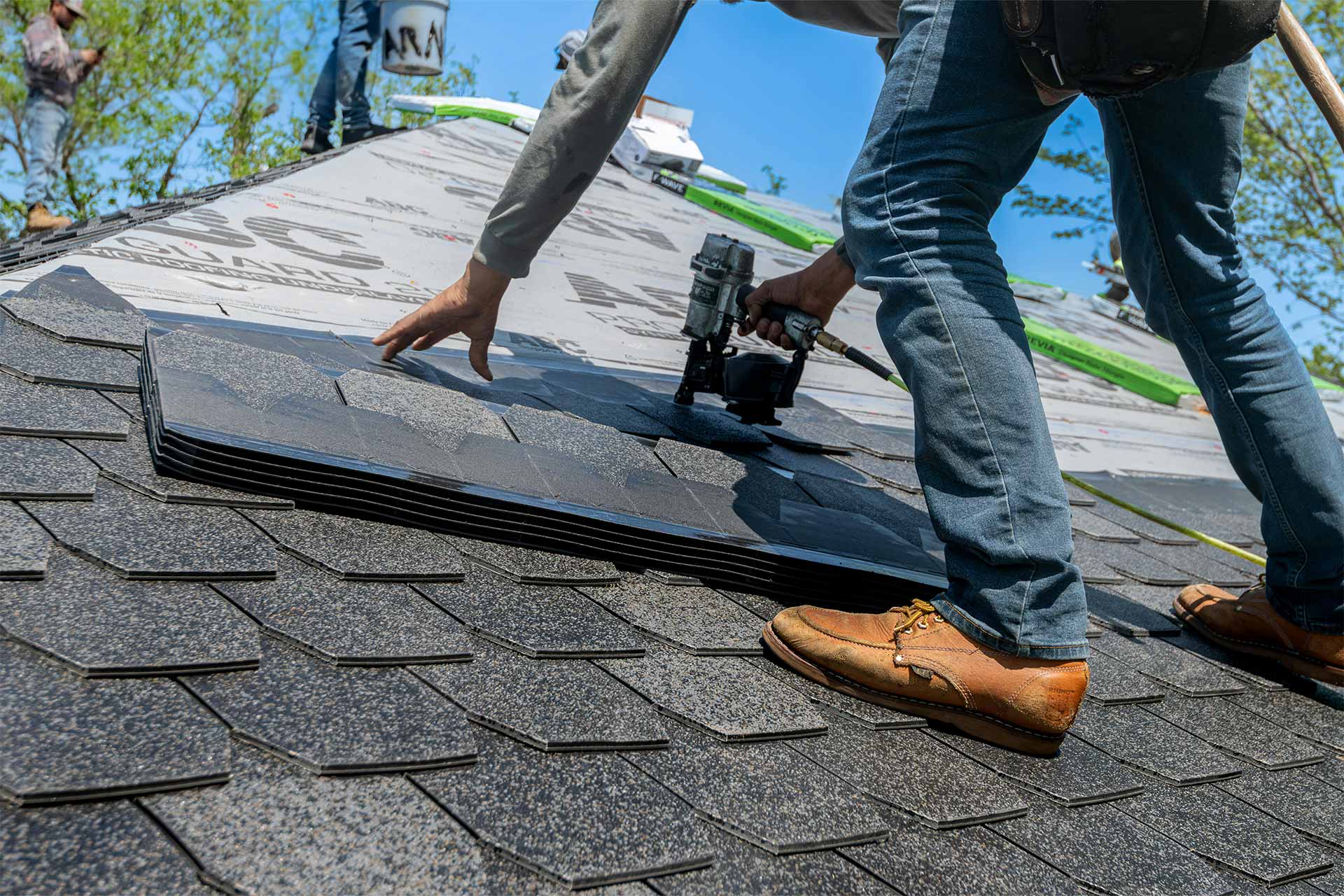
Deciding between repairing or replacing a commercial roof depends on the damage, material age, and long-term cost efficiency. This guide outlines key indicators, cost benefits, and how to make the best decision to protect your property and budget effectively.

A well-maintained commercial roof is essential for protecting a business’s assets, ensuring structural integrity, and reducing long-term operational costs. However, when damage or deterioration occurs, property owners face a crucial decision: repair or replace? While minor issues can often be resolved with repairs, extensive wear, structural weaknesses, and outdated materials may necessitate a full roof replacement. This article explores the key indicators for repair versus replacement, long-term cost benefits, and how material age influences decision-making.

Signs That a Repair Is Sufficient

Not all roof issues require a full replacement. If the damage is localised and the roof remains structurally sound, repairs can often restore functionality without the expense of a new installation.

Repairs may be the right solution when:

  • Damage is minor and isolated – Small leaks, a few missing fasteners, or minor punctures can often be fixed without replacing the entire roof.
  • Flashing or sealant deterioration is the main issue – If water ingress is due to worn-out flashing or degraded sealants, targeted repairs can extend the roof’s lifespan.
  • The roof is relatively new – If the roofing system is under 10-15 years old and has been well-maintained, repairing small areas is often the best option.
  • Ponding water is due to drainage issues – If standing water is caused by blocked gutters or drains rather than structural sagging, fixing drainage can prevent further problems.

However, relying on repairs when the roof has widespread deterioration may only delay the inevitable, leading to higher costs down the line.

When a Full Roof Replacement Is Necessary

If the damage is extensive or the roof is nearing the end of its lifespan, replacing the entire roofing system is often the most cost-effective and long-term solution.

Consider a full replacement when:

  • Extensive leaks or water damage are present – If multiple leaks develop or water is infiltrating the insulation and decking, repairs may no longer be effective.
  • The roof is approaching the end of its lifespan – Most metal commercial roofs last 40+ years, but older systems (especially those with asbestos or deteriorating membranes) should be replaced proactively.
  • Structural damage is evident – If the roof sags, has widespread rust, or shows signs of foundational weakness, a replacement is the safest solution.
  • Energy inefficiency is a growing concern – Older roofs often lack proper insulation or reflective coatings, leading to higher cooling costs. Upgrading to a modern, energy-efficient roofing system can yield significant long-term savings.

A full roof replacement eliminates recurring maintenance issues and provides superior weather resistance, compliance with modern regulations, and improved energy performance.

Long-Term Savings: Why Replacing Can Be More Cost-Effective

While a roof replacement is a larger upfront investment, it often reduces long-term costs associated with repeated repairs and energy inefficiencies. Key benefits include:

  1. Lower Maintenance and Repair Costs: Continually patching a failing roof leads to higher cumulative costs than replacing it outright. A new system minimises ongoing maintenance expenses.
  2. Improved Energy Efficiency: Modern roofing materials, such as insulated metal panels and reflective coatings, lower cooling costs by reducing heat absorption.
  3. Increased Property Value: A new commercial roof enhances the value of the property, making it more attractive for leasing or resale.
  4. Better Weather and Fire Resistance: Replacing outdated materials with fire-rated and storm-resistant roofing reduces risks and ensures compliance with Australian safety standards.

When evaluating repair vs. replacement, factoring in long-term operational costs is crucial for making the best financial decision.

How Roof Age and Condition Influence the Decision

The age and condition of the roofing system play a pivotal role in determining whether repairs or full replacement are necessary.

  • Under 10 years old → Repairs are generally the best option, as the roofing materials are still in good condition.
  • 10–20 years old → Repairs may still be viable, but a full assessment is necessary to determine remaining lifespan.
  • 20+ years old → If the roof has had multiple repairs or shows significant wear, replacement is the most cost-effective long-term choice.

Conclusion

Choosing between repairing or replacing a commercial roof depends on the severity of the damage, the roof’s age, and long-term cost considerations. While repairs are ideal for minor, localised issues, full replacement provides better durability, energy efficiency, and reduced maintenance costs for older or failing systems.

At Element Metal Roofing, we specialise in commercial roof assessments, repairs, and full-scale replacements. Our team helps businesses make cost-effective, long-term roofing decisions that ensure safety, compliance, and performance.

Contact us today for an expert assessment of your commercial roof.
RElated Blogs

Roof containing asbestos, highlighting the importance of proper asbestos roof removal and replacement
Asbestos roof removal in NSW commercial buildings poses unique challenges—from difficult access and weather risks to strict disposal rules. Learn how professional roofing experts overcome these issues safely and compliantly for efficient asbestos roof replacement.
Close-up view of metal roofing panels with alternating shadows and sunlight casting bold diagonal lines across the surface. The image emphasizes the texture, durability, and clean lines associated with modern roofing solutions.
Modern roofing materials like metal, TPO, and modified bitumen have completely replaced asbestos, offering safer, lighter, and more durable solutions for commercial and industrial buildings. These asbestos-free systems deliver superior weather resistance, sustainability, and long-term cost savings — making them the smart, compliant choice for future-ready Australian properties.
Two workers in full hazmat suits and respirators carefully remove an old asbestos roof sheet from a brick building, illustrating safety compliance with asbestos regulation during demolition.
By 2026, stricter asbestos roof replacement regulations will reshape how commercial and industrial property owners in NSW manage asbestos compliance. This guide breaks down the key changes, responsibilities, and how partnering with licensed specialists like Element Metal Roofing ensures safe, compliant, and efficient asbestos roof replacement.
Roof containing asbestos, highlighting the importance of proper asbestos roof removal and replacement
Common Challenges in Asbestos Roof Removal and How to Overcome Them
Close-up view of metal roofing panels with alternating shadows and sunlight casting bold diagonal lines across the surface. The image emphasizes the texture, durability, and clean lines associated with modern roofing solutions.
How New Materials Outperform Asbestos in Modern Roofing Applications
Two workers in full hazmat suits and respirators carefully remove an old asbestos roof sheet from a brick building, illustrating safety compliance with asbestos regulation during demolition.
Understanding Australian Regulations for Asbestos Roof Replacement in 2026