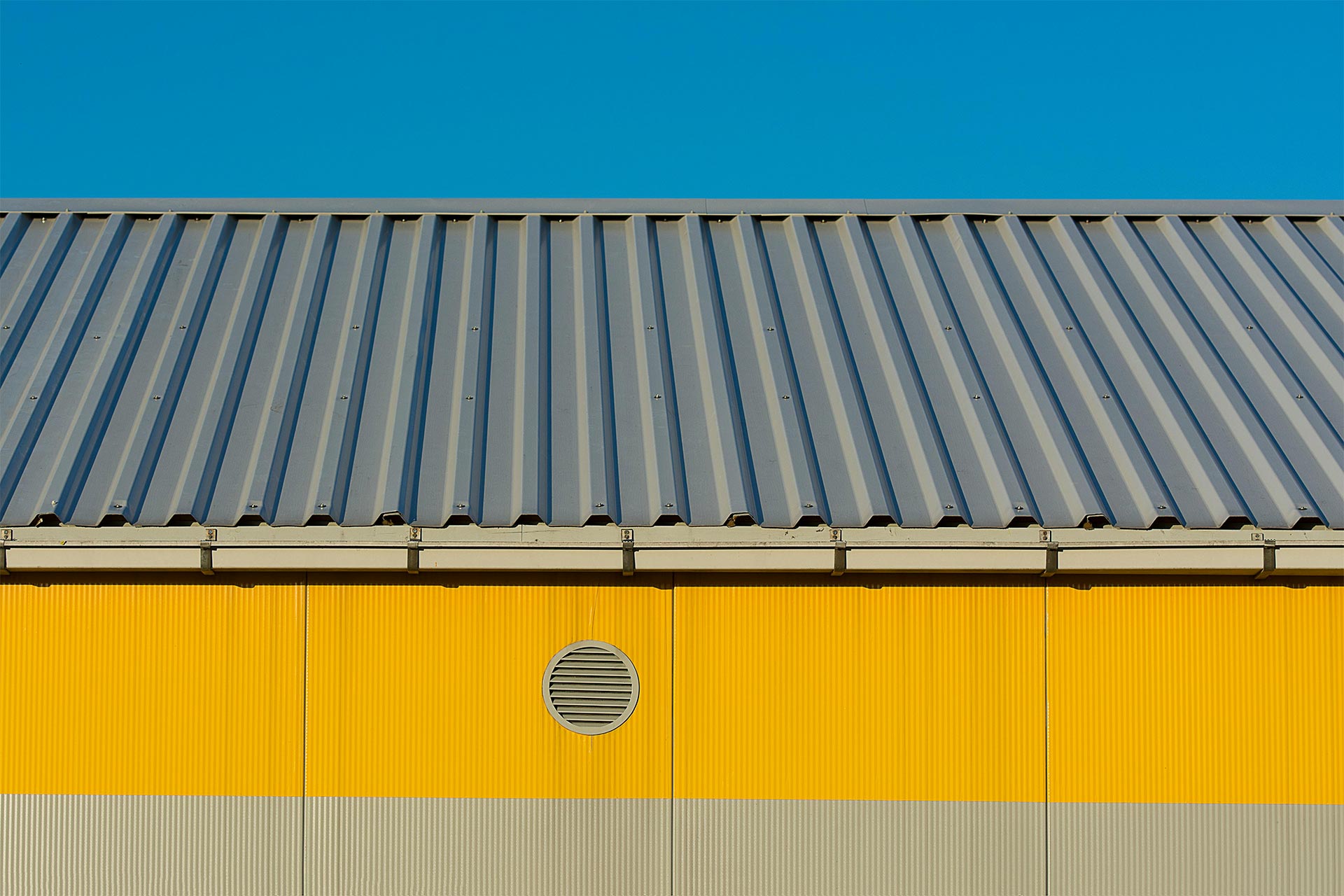
Picture: Industrial asbestos roof removal and replacement project completed by Element Metal Roofing in Kirrawee, NSW. Learn more.
Industrial construction across New South Wales is entering a decisive period. Rising energy costs, stricter ESG expectations, evolving building compliance, and ageing asbestos roofs are forcing asset owners and developers to reassess long-term roofing strategies. In 2026, one solution will continue to outperform alternatives across durability, compliance, and return on investment: metal roofing.
For warehouses, logistics facilities, manufacturing plants, and commercial assets, metal roofing is no longer simply a replacement option: it is a strategic infrastructure decision. This article explores the metal roofing trends shaping 2026, with a focus on industrial roofing in Australia, sustainability performance, and the growing role of solar-ready roofing systems.
Metal roofing has been widely adopted across Australia for decades, but recent advances in materials, coatings, and system design have significantly strengthened its position within industrial construction.
For NSW-based projects, metal roofing offers clear advantages:
As regulatory pressure increases and operational margins tighten, these factors are becoming non-negotiable.
One of the most significant metal roofing trends for 2026 is continued innovation in steel manufacturing and protective coatings. Australian-made products such as COLORBOND® steel are engineered specifically for local environmental conditions, including high UV exposure and coastal corrosion risks.
Recent innovations focus on:
These developments support longer roof lifespans, particularly for industrial buildings with large roof spans and minimal maintenance access.
Modern metal roofing systems are now designed to accommodate:
This flexibility is critical for industrial assets that must adapt over time without requiring costly structural modifications.
Sustainable metal roofing plays a growing role in meeting ESG and NABERS performance benchmarks. When paired with compliant insulation systems and reflective finishes, metal roofs significantly reduce heat gain in summer and improve internal thermal stability.
This delivers measurable benefits, including:
For NSW businesses facing rising electricity prices, these efficiencies directly impact operating expenditure.
Unlike many traditional roofing materials, steel is 100% recyclable at end of life. This aligns with increasing expectations from investors, tenants, and regulators around circular economy principles.
From an ESG perspective, metal roofing offers:
These factors make sustainable metal roofing a practical solution, not just a marketing claim.
Across New South Wales, thousands of industrial buildings still rely on ageing asbestos cement roofing. Regulatory obligations under SafeWork NSW and WHS legislation continue to drive large-scale asbestos removal and replacement projects.
Metal roofing is the preferred replacement solution due to:
For asset owners, replacing asbestos with metal roofing reduces long-term liability while improving asset value and insurability.
One of the most influential industrial roofing trends heading into 2026 is the integration of solar infrastructure. Metal roofing systems are inherently well-suited to solar PV installation due to their strength, longevity, and compatibility with clamp-based mounting systems.
Solar-ready metal roofing enables:
This is particularly important for large warehouses and manufacturing facilities across NSW’s industrial corridors.
When metal roofing replacement is planned alongside solar installation, businesses benefit from:
As energy markets remain volatile, this integrated approach is becoming a standard consideration rather than an optional upgrade.
COLORBOND® innovation remains a key contributor to Australia’s leadership in metal roofing. Continuous improvements in coating technology, colour performance, and sustainability credentials ensure its ongoing relevance in industrial construction.
For NSW projects, specifying Australian-manufactured steel supports:
These factors reduce project risk for developers, builders, and engineers alike.
While materials and systems are critical, project success ultimately depends on experienced installation and compliance management.
Industrial metal roofing requires specialist expertise in:
Partnering with a contractor who understands these requirements is essential to protecting both operational continuity and long-term asset performance.
As industrial construction continues to evolve, metal roofing stands out as the most future-ready solution for NSW businesses. Material innovation, sustainable performance, and seamless solar integration make it the clear leader in industrial roofing Australia-wide.
For asset owners planning asbestos replacement, new construction, or roof upgrades, early engagement with an experienced specialist is critical.
Element Metal Roofing delivers compliant, high-performance metal roofing solutions for commercial and industrial projects across New South Wales.
Contact our team today to discuss your roofing strategy and ensure your asset is ready for 2026 and beyond.

Speak to our team for a design consultation, energy upgrade assessment, or pricing for your next project.
Download our Capability Statement for a concise overview of our commercial and industrial roofing capabilities, high-risk project experience, and safety and compliance credentials.



.png)
.png)
