Extreme fire conditions are reshaping how commercial and industrial facilities in New South Wales approach risk management, asset protection and regulatory compliance. Roofing systems—often the largest exposed surface on any structure—now play a central role in mitigating fire hazards and ensuring continuity of operations.
Whether your facility is located in a regional bushfire zone or a peri-urban industrial corridor, expectations around fire resistant roofing, bushfire compliant roofs and commercial roof fire safety have evolved significantly. The consequences of inadequate protection can include structural loss, extended shutdowns, insurance difficulty and non-compliance with building codes.
This guide outlines the critical elements of modern fire-resistant roofing, including fire-rated materials, Bushfire Attack Level (BAL) compliance requirements and best-practice approaches for retrofitting older sites—particularly those still relying on ageing or asbestos-containing roofing.
Fire-resistant roofing begins with the right materials. Under Australian Standards (including AS 1530.1 for non-combustibility), a range of materials demonstrate proven performance in high-heat and ember-attack conditions.
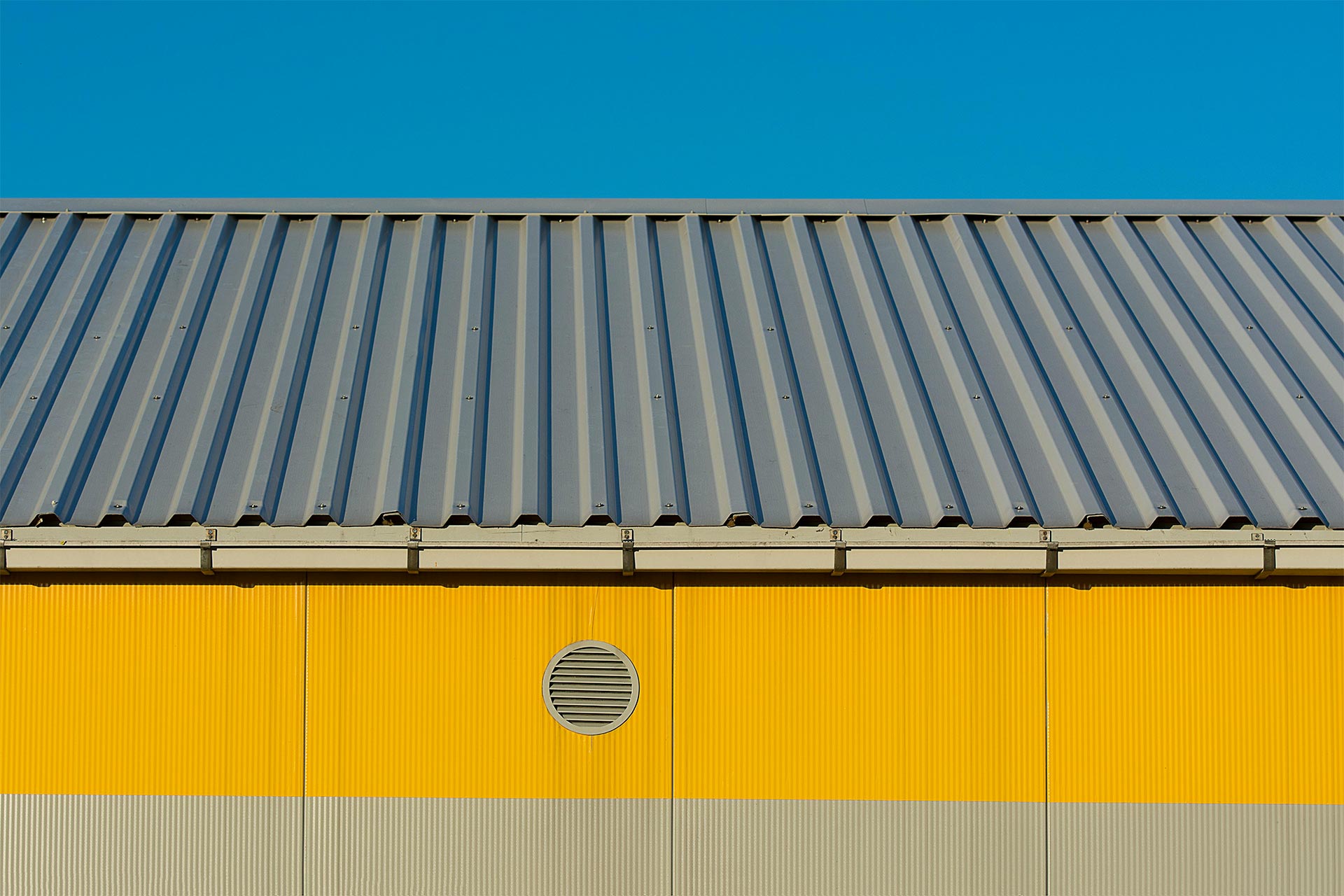
Metal roofing systems—such as those made from steel or aluminium—are widely regarded as the most practical and high-performing fire-resistant option for NSW commercial and industrial settings.
Key benefits include:
Metal roofing is suited to warehouses, logistics sites, manufacturing facilities, retail complexes, educational facilities and multi-building commercial precincts.
Insulated metal panels with fire-resistant cores provide:
These systems are commonly used in temperature-controlled facilities, food-grade processing, data centres and large-scale industrial environments.
Fire-resistant sarking plays a vital role in reducing ember entry, while appropriately rated insulation reduces the potential for flame propagation inside roof cavities.
These components must be selected as part of a complete system to ensure compliance and certifiable fire performance.
In NSW, bushfire risk is assessed through Bushfire Attack Level (BAL) ratings determined under Australian Standard AS 3959. While BAL ratings originated in residential construction, the framework is increasingly applied during planning and design for new commercial and industrial facilities—particularly those within or adjacent to mapped bushfire-prone land.
The six BAL categories represent escalating exposure:
For facilities in or near bushfire zones, roof systems must incorporate:
Even sites outside designated BAL zones may apply the same principles as a risk-management strategy. Many NSW insurers increasingly consider roof combustibility and associated fire risk when assessing premiums and coverage conditions.
A significant percentage of commercial and industrial buildings in NSW were constructed before current bushfire and fire-resistance requirements came into effect. Many of these sites still rely on outdated or combustible roofing materials, including asbestos-cement products.
Older facilities often face several issues:
Upgrading these roofs is not only a compliance decision but also a critical step in reducing operational and legal risk.
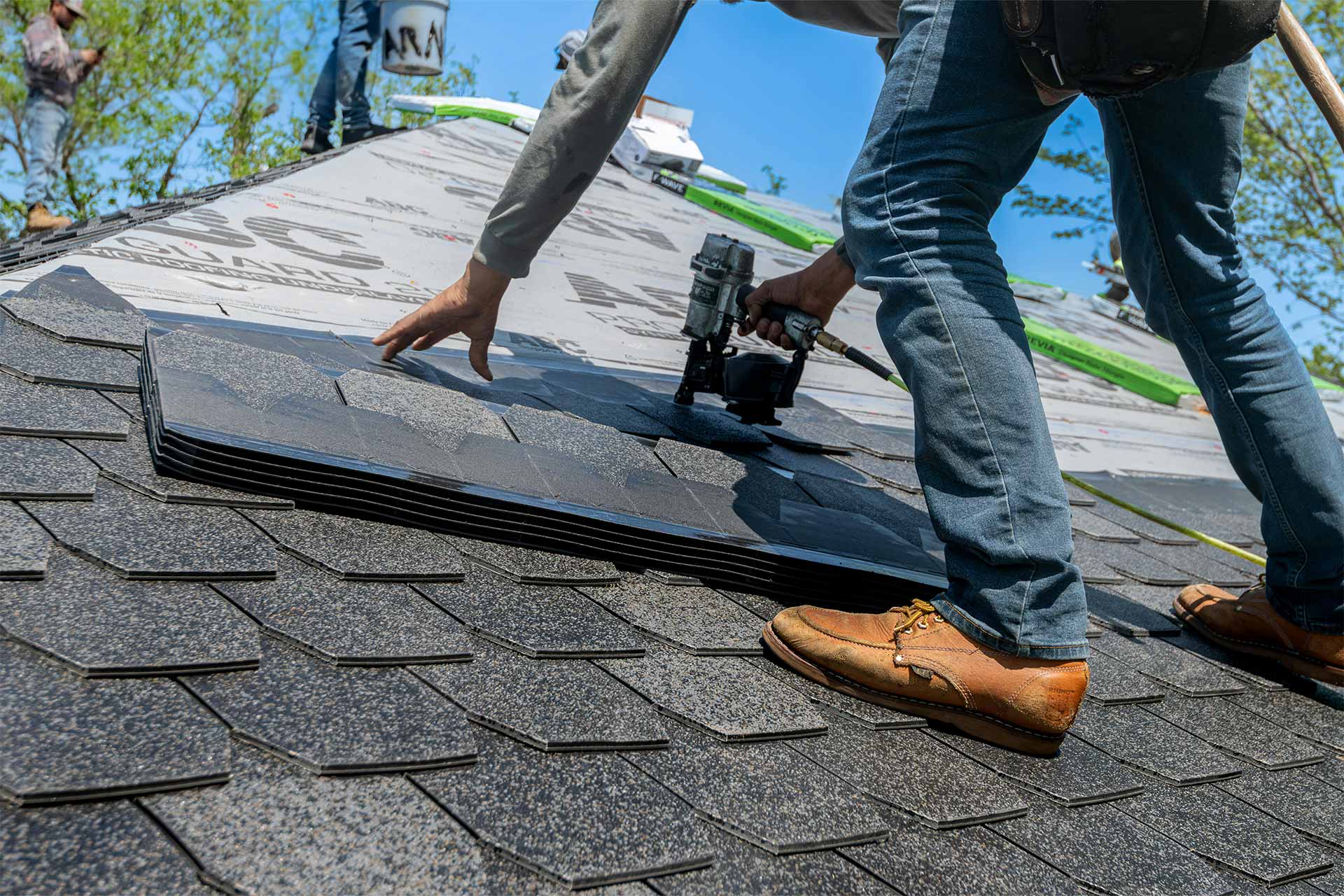
Retrofitting an older commercial or industrial site requires a structured, compliant approach:
A specialist inspection identifies:
If asbestos roofing is present, removal must be completed by licensed professionals in accordance with NSW SafeWork regulations, including containment and air monitoring.
Modern metal roofing—installed with compliant sarking, fasteners, flashings and penetrations—provides substantial fire-resistance improvements.
This includes:
Commercial facilities benefit from detailed installation records, material certifications and compliance statements for insurer and regulatory review.
Beyond compliance, fire-resistant roofing supports long-term operational resilience. NSW businesses increasingly view these upgrades as essential for:
Replacing ageing or asbestos roofs with fire-resistant systems is one of the most impactful ways to protect both the building and its occupants.
Element Metal Roofing is a specialist contractor for:
Our team delivers precision, compliance and long-term performance throughout every project, with capabilities tailored to the unique needs of NSW commercial and industrial facilities.
As fire seasons intensify across New South Wales, fire resistant roofing is no longer an optional upgrade—it is a core compliance, safety and business-continuity requirement. Whether you are planning a new project, managing an ageing facility or addressing asbestos risks, now is the time to prioritise a fire-safe roofing system.
For expert guidance, technical assessments and fully compliant installation services, request a free quote from Element Metal Roofing today. Our team is ready to support your facility with proven, fire-resistant solutions designed for Australian conditions.

Speak to our team for a design consultation, energy upgrade assessment, or pricing for your next project.
Download our Capability Statement for a concise overview of our commercial and industrial roofing capabilities, high-risk project experience, and safety and compliance credentials.



.png)
.png)
