Rising electricity costs, grid volatility, and tightening ESG expectations continue to push NSW commercial and industrial businesses toward on-site solar generation. In 2026, solar PV is no longer viewed as a standalone upgrade: it is increasingly planned alongside major capital works such as roof replacement, compliance upgrades, and asbestos removal.
However, many asset owners underestimate how significantly roof selection and condition influence solar system performance, risk exposure, and lifecycle cost. When solar is installed without proper roofing integration, businesses can face leaks, structural non-compliance, voided warranties, and reduced returns.
For facilities considering metal roof replacement and solar PV together, integration is not optional: it is essential.
Solar PV systems are designed to operate for 25–30 years. If the roof beneath them fails prematurely, the cost of removing and reinstalling solar infrastructure can erase projected energy savings.
Roofing decisions directly impact:
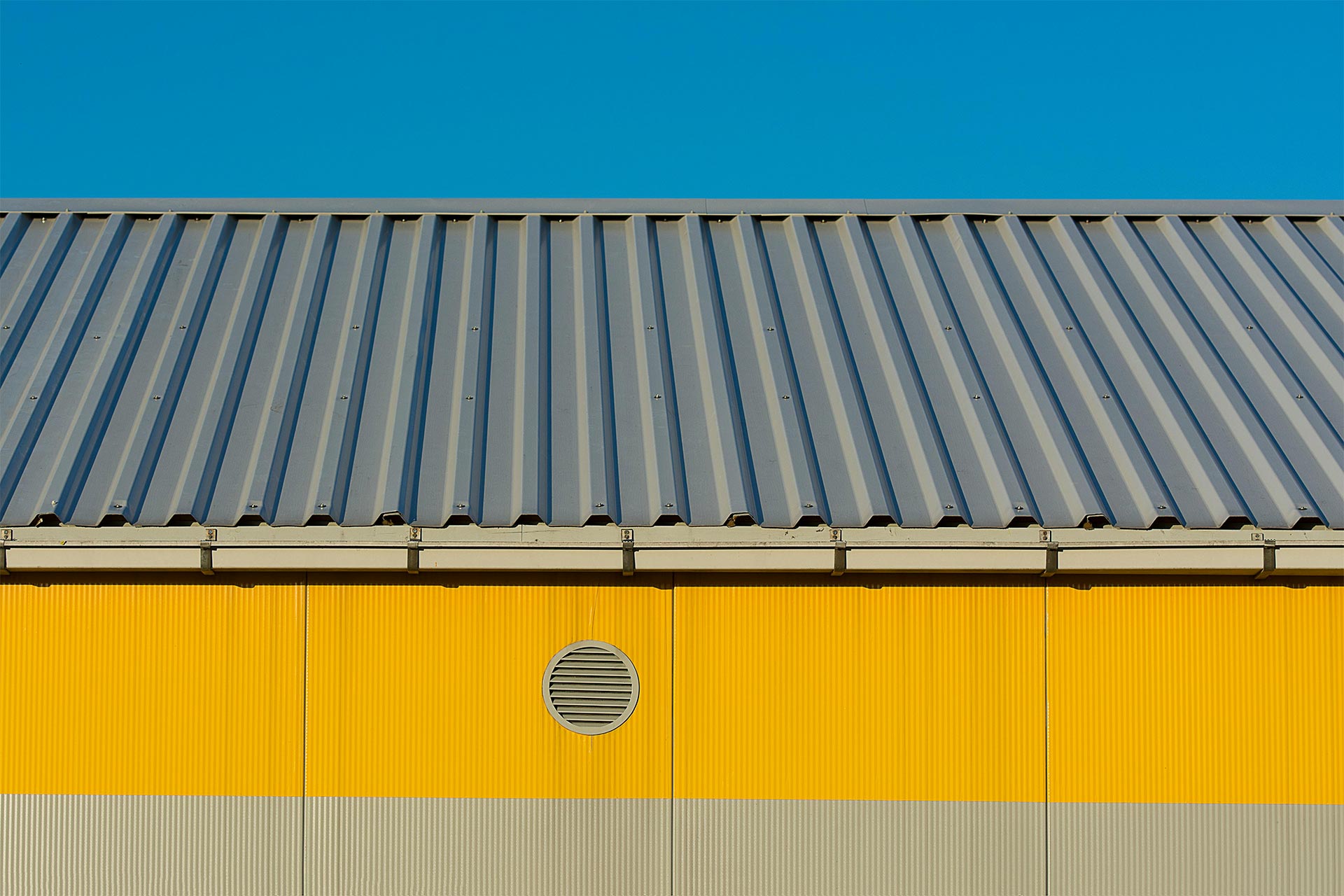
For NSW commercial assets, metal roofing systems consistently deliver the best alignment with modern solar PV requirements.
Engineered metal roofing offers exceptional structural capacity while remaining lightweight. This allows buildings to support solar arrays without excessive reinforcement, which is particularly critical for industrial facilities with large roof spans.
High-quality commercial metal roofs typically deliver 30–50 years of service life when correctly specified and installed. This aligns closely with solar PV system lifecycles, reducing the likelihood of disruptive mid-life roof replacement.
Modern standing seam and concealed-fix metal roof systems allow non-penetrative solar mounting. This dramatically lowers leak risk compared to tiled or membrane roofs that rely on multiple fixings through the waterproofing layer.
➜ Learn more about the benefits of metal roofing systems in our related articles:
Solar panels can significantly increase wind loads, particularly in exposed industrial zones. NSW buildings must comply with AS/NZS 1170 wind actions, and roof systems must be engineered to handle combined roofing and solar loads.
Poorly distributed mounting systems can concentrate loads at fixing points, leading to long-term fatigue or failure. Purpose-designed metal roof clamp systems distribute loads evenly along seams or purlins.
For older facilities—especially those undergoing asbestos roof replacement—structural assessments are critical. Upgrading to metal roofing often provides the opportunity to bring the entire roof system up to current compliance standards before solar installation.
Clamp-based mounting systems attach directly to metal roof seams without breaching the roof sheet. When engineered correctly, these systems preserve roof integrity and maintain manufacturer warranties.
Failures typically occur due to:
The most reliable leak prevention strategy is integrated design—where roofing and solar systems are planned together, installed sequentially, and warrantied as a coordinated outcome.
Best practice sequencing in NSW commercial projects is:
1. Asbestos removal (if applicable)
2. Structural assessment and remediation
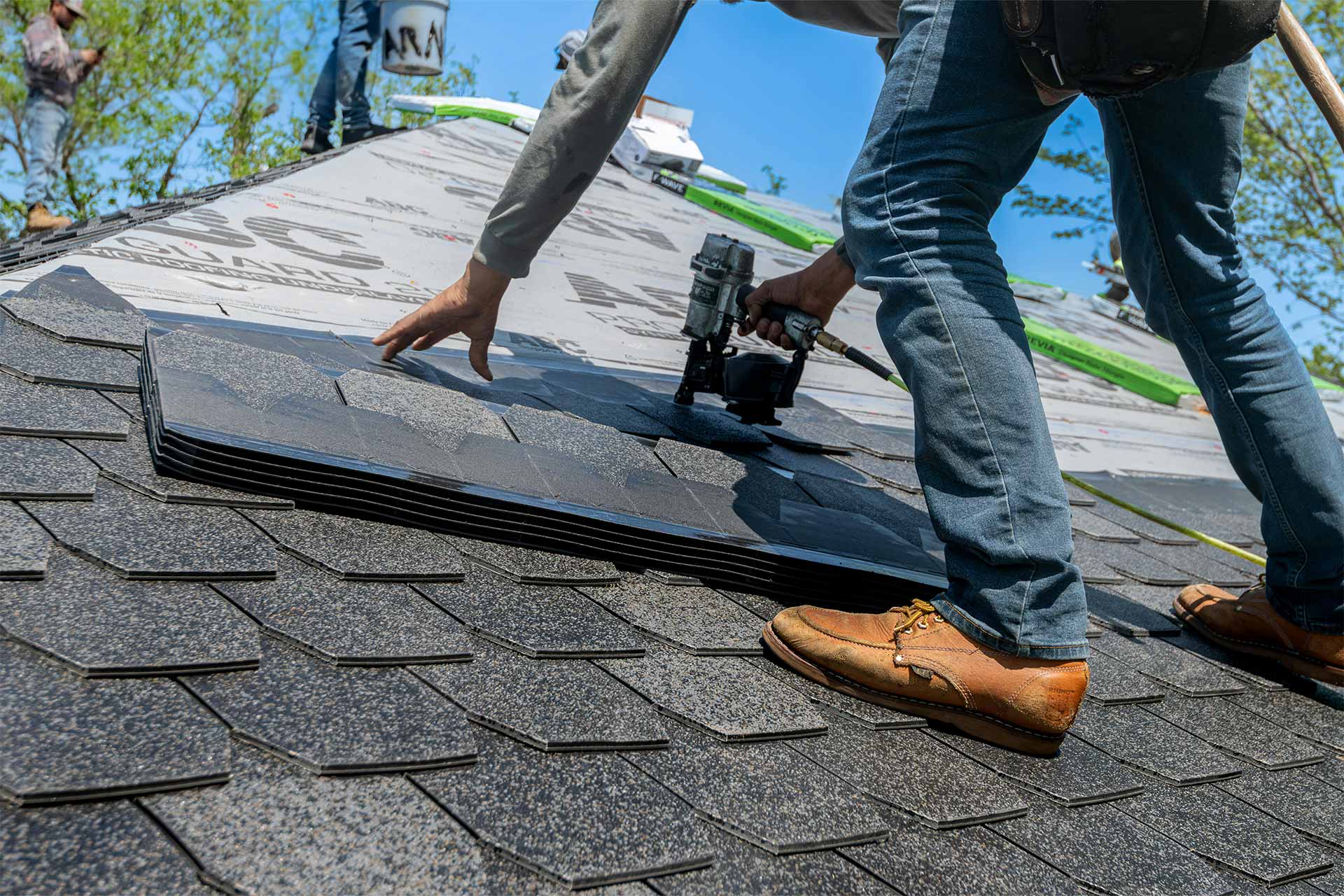
3. New metal roof installation
4. Solar PV installation using compatible mounting systems
Installing solar on an ageing or non-compliant roof often results in early removal and reinstallation. Coordinated delivery eliminates duplicated access costs, crane hire, and business disruption.
➜ For a deeper breakdown of when replacement makes better financial sense than patchwork fixes, read our article Roof Replacement vs. Ongoing Repairs: Cost Analysis
Roof warranties can be voided by unapproved solar penetrations. Coordinated roofing and solar planning ensures warranties remain intact across both systems.
As of 2026, NSW commercial solar PV systems typically achieve payback within 3 to 6 years, depending on system size, energy usage patterns, and grid tariff exposure.
A deteriorating roof introduces:
By pairing solar with a compliant metal roof, businesses protect projected ROI and stabilise long-term operating costs.
Installing solar on roofs nearing end of life almost always results in higher total project cost.
Not all mounting systems suit all metal profiles. Incompatible systems increase structural and waterproofing risks.
Disconnected contractors create accountability gaps. Integrated planning prevents disputes and performance failures.
For NSW commercial and industrial buildings, integrating solar PV with metal roofing is no longer a niche consideration: it is a best-practice standard. When roofing, asbestos replacement, and solar works are planned together, businesses achieve stronger compliance outcomes, lower lifecycle costs, and more reliable energy performance.
If you are planning a solar upgrade, roof replacement, or asbestos removal across New South Wales, Element Metal Roofing can assess your roof’s structural readiness, compliance requirements, and solar compatibility before costly mistakes are made.
Contact us today to arrange a professional roof and solar readiness assessment and protect your investment from day one.

Speak to our team for a design consultation, energy upgrade assessment, or pricing for your next project.
Download our Capability Statement for a concise overview of our commercial and industrial roofing capabilities, high-risk project experience, and safety and compliance credentials.



.png)
.png)
