Undertaking an industrial roof replacement is a significant project that requires careful planning, the right materials, and seamless coordination among all stakeholders. When executed correctly, a roof replacement can enhance the longevity, safety, and efficiency of industrial facilities. In this article, we'll explore the key elements to consider when planning and executing such a project to ensure it’s completed on time, within budget, and with minimal disruption.
Effective project planning ensures that the roof replacement is completed on time, within budget, and with minimal disruption. Below are the essential steps to consider when planning:
Establishing a comprehensive budget is essential. This should account for material costs, labour, and any unforeseen contingencies. Proper budgeting helps to prevent unexpected expenses and ensures the project stays financially on track.
Developing a realistic timeline is critical to avoid delays. Factors such as weather conditions and operational schedules must be considered to ensure the project is completed efficiently without disrupting business operations.
Conducting a thorough inspection of the current roof is necessary to identify potential issues. This includes checking for structural weaknesses, drainage challenges, or any hazards that could impact the project scope or timeline.
Ensure the project complies with local building regulations, particularly in New South Wales. Obtaining the necessary permits is a crucial step that must be factored into the project’s timeline to avoid any legal complications.
Choosing a contractor experienced in large-scale industrial projects is vital. They should have a proven track record and deep understanding of safety protocols and industrial roofing standards, ensuring quality and compliance throughout the project.
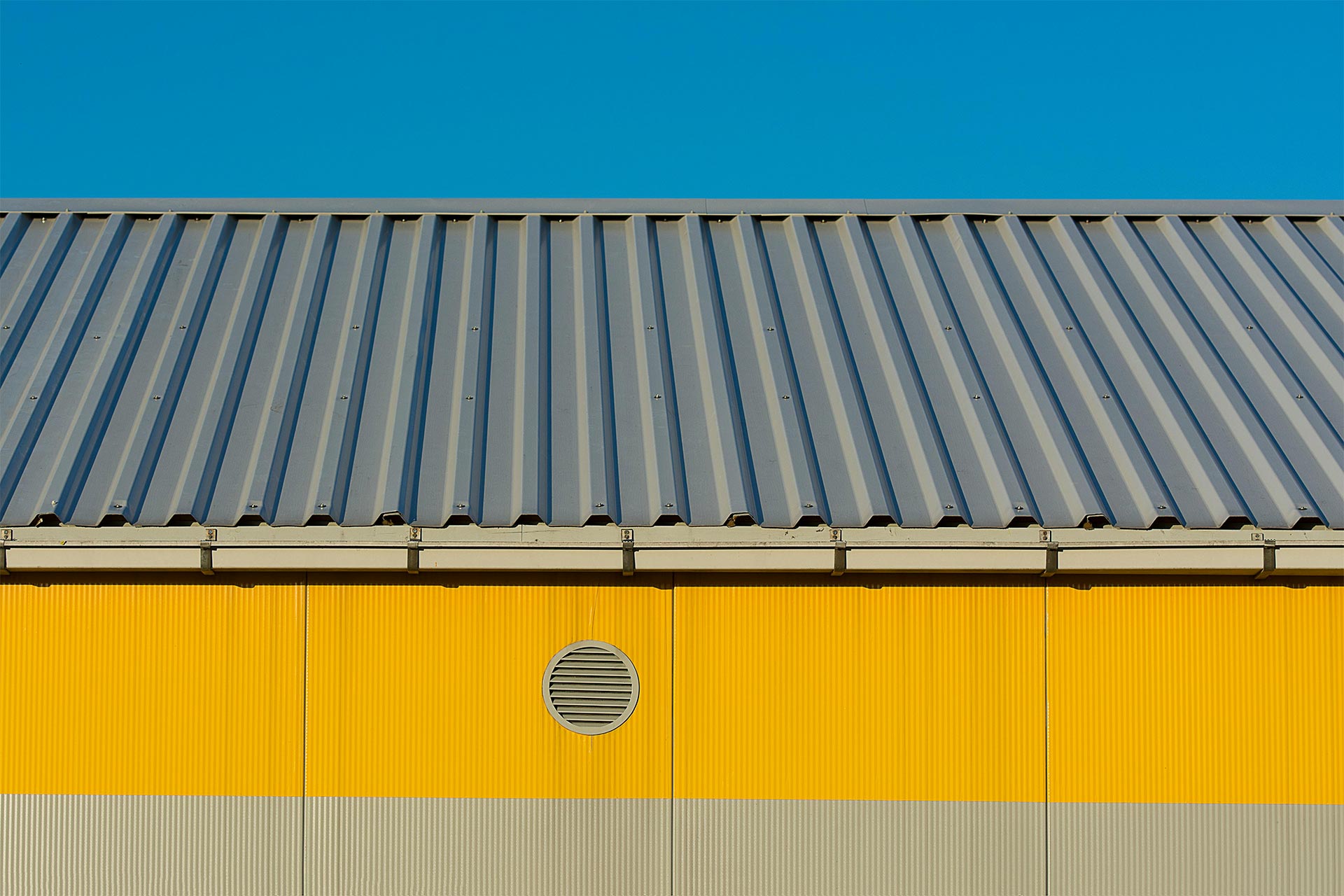
The choice of materials is critical in ensuring the longevity and performance of an industrial roof. For harsh environments, particularly in industrial settings, metal roofing materials like aluminium, steel, or zinc-coated steel offer excellent durability, corrosion resistance, and low maintenance. These materials provide energy efficiency, with options like cool roofing systems and reflective coatings reducing heat absorption, which can be particularly beneficial for large-scale industrial facilities.
Metal roofing also delivers strong fire resistance, a necessary feature for industrial facilities that may deal with high-risk operations. While the upfront cost may be higher, the long-term savings from reduced repairs and maintenance, combined with energy efficiency, make metal roofing a cost-effective choice for large-scale industrial projects.
Effective coordination and clear communication are key to the successful execution of large-scale industrial roofing projects. Keeping all parties informed and aligned throughout the project helps avoid unnecessary delays and ensures smooth progress.
It is essential to maintain alignment between the roofing contractor, project manager, and on-site staff. Regular progress meetings help to address any issues early and keep everyone on track.
Maintaining clear communication with stakeholders such as facility managers, engineers, and investors is critical. Regular updates ensure that all parties are informed about project milestones and can address any concerns promptly.
To ensure that daily operations continue smoothly, it’s important to work closely with facility managers. This may involve scheduling work during off-peak hours or temporarily relocating certain activities within the facility to avoid disruptions.
Prioritising safety protocols is crucial, especially in industrial settings. Compliance with Workplace Health and Safety (WHS) standards is a must, and all workers should be trained and equipped with the necessary safety gear to mitigate risks.
Real-time monitoring systems allow for continuous tracking of the project’s progress. This helps identify potential issues early on, ensuring that the project remains on schedule and within budget, while keeping stakeholders updated.
A successful large-scale industrial roof replacement requires careful planning, the right material selection, and seamless coordination. By developing a realistic budget, choosing durable and energy-efficient materials, and maintaining strong communication among all stakeholders, you can ensure that the project is completed efficiently and effectively.
For professional roofing solutions tailored to the unique needs of industrial projects, contact Element Metal Roofing today to speak to our team of experts.

Speak to our team for a design consultation, energy upgrade assessment, or pricing for your next project.
Download our Capability Statement for a concise overview of our commercial and industrial roofing capabilities, high-risk project experience, and safety and compliance credentials.



.png)
.png)
